The International Labour Organization estimates that 215 million children ages 5-17 are engaged in child labor (ILO,Accelerating action against child labour, 2010).
An estimated 12 percent of children in India ages 5-14 are
engaged in child labor activities, including carpet production (UNICEF, State of the World’s Children 2010).
Approximately six out of ten slaves in the world are bonded laborers in South Asia (Siddharth Kara, Sex Trafficking: Inside the Business of Modern Slavery, 2008)
It would cost $760 billion over a 20-year period to end child
labor. The estimated benefit in terms of better education and health is
about six times that—over $4 trillion in economies where child laborers
are found (ILO, Investing in Every Child, 2003).
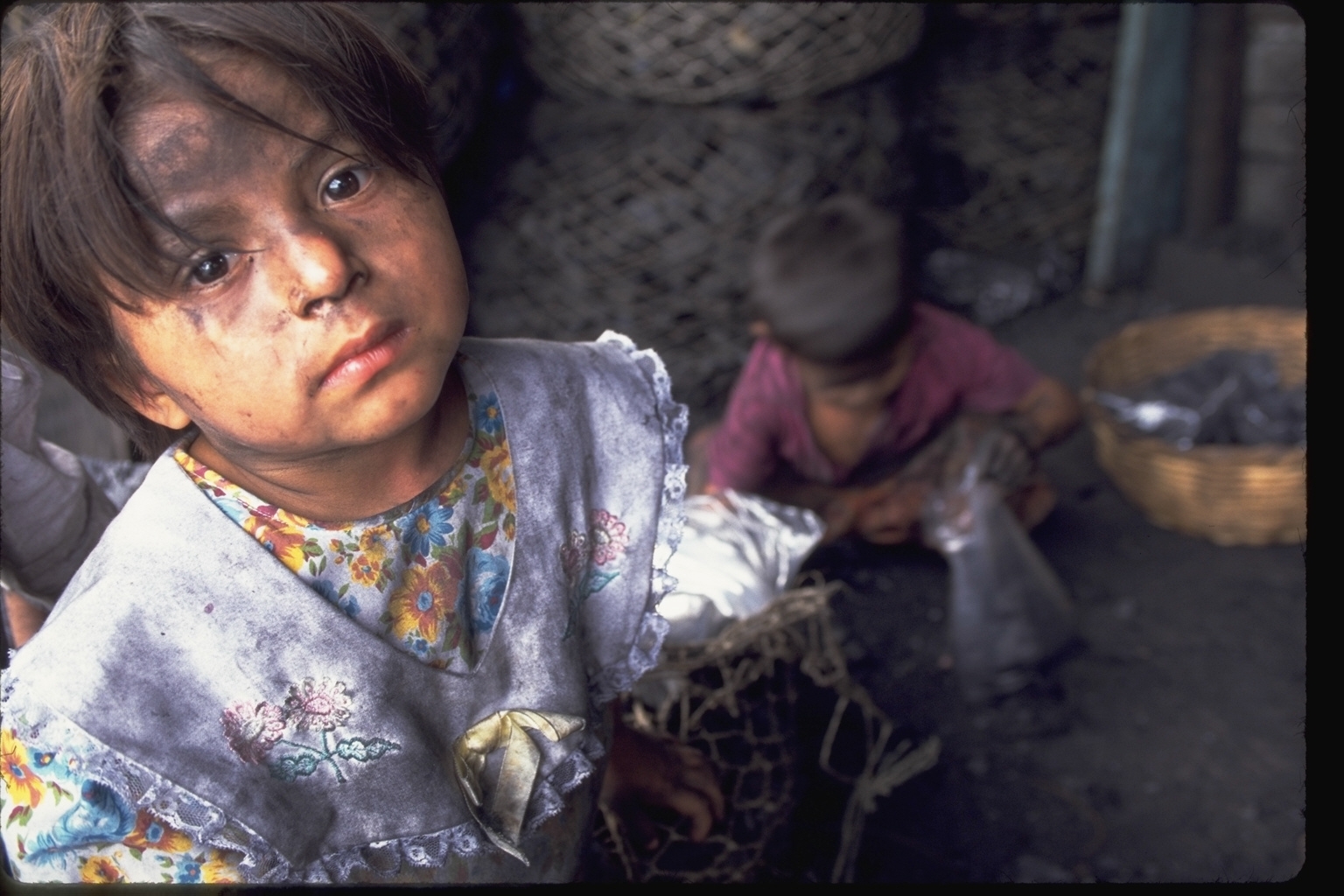
Some children are forced to weave up to 18 hours a day, often never leaving the confines of the factory or loom shed.
Children trafficked into one form of labor may be later sold
into another, as with girls from rural Nepal, who are recruited to work
in carpet factories but are then trafficked into the sex industry over
the border in India (ILO/IPEC, Helping Hands or Shackled Lives? Understanding Child Domestic Labour and Responses to It, 2004).
Experts estimate that child labor on South Asia’s carpet looms
has dropped from 1 million to 250,000 since the launch of GoodWeave in
1995.

No hay comentarios:
Publicar un comentario